Cow Farm Font for Rustic Editorial Design
When curating a library of versatile Fonts for editorial projects, the Cow Farm typeface stands out as a unique asset for creators seeking warmth and character. As publishers and content designers, we often struggle to find display typography that balances whimsy with professional structure, but this collection offers a distinct solution for niche branding and layout enhancement.
Using Cow Farm for Farmhouse Style Magazine Covers
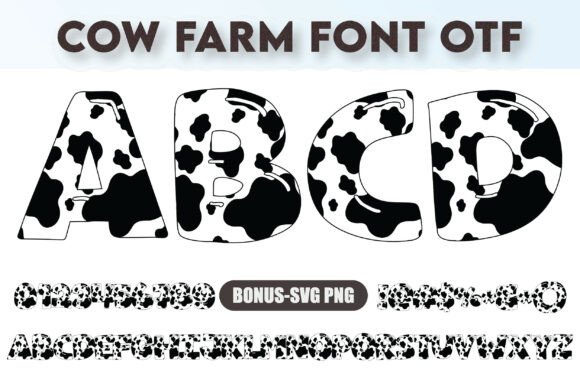
Integrating Color Fonts into your publication’s visual identity requires a keen eye for tone, and Cow Farm delivers an immediate rustic charm that resonates with lifestyle audiences. For magazine covers focused on homesteading, organic living, or rural aesthetics, this font serves as a powerful headline tool that captures attention without feeling overly decorative or illegible. The inspiration drawn from farm life and cow patterns translates into letterforms that feel handcrafted yet consistent, providing a cohesive look for monthly issues or special editions. When designing cover text, the weight and spacing of these glyphs allow for bold statements that remain readable even at a distance, ensuring your publication stands out in both digital thumbnails and physical displays.
Creating Engaging Headers for Lifestyle Blogs
Bloggers who prioritize reader engagement know that typography plays a critical role in reducing bounce rates and encouraging scroll depth. By employing Cow Farm for H1 and H2 headers, you introduce a visual break that signals a shift in tone, making long-form articles feel more approachable and less dense. This font is particularly effective for niches such as gardening, DIY crafts, or family-oriented content, where a friendly and inviting atmosphere is essential. Unlike standard sans serif options that can feel sterile, the rustic OTF nature of this typeface adds personality to your site’s architecture, helping to establish a memorable brand identity that readers associate with comfort and authenticity.
Designing Ebook Titles and Chapter Openers with Cow Farm
In the realm of digital publishing, the cover and interior layout of an ebook must work harmoniously to retain reader interest, and Fonts like Cow Farm offer excellent versatility for these applications. For authors writing cookbooks, memoirs, or guides on sustainable living, using this font for chapter titles creates a thematic consistency that enhances the reading experience. The distinct character of each letter helps to differentiate sections clearly, acting as a visual anchor that guides the reader through the narrative. When exporting to PDF or ePub formats, it is crucial to ensure that the font embeds correctly to maintain its integrity across different devices, preserving the intended rustic vibe whether viewed on a tablet, e-reader, or desktop screen.
Enhancing Newsletter Graphics and Lead Magnets
Email marketers and course creators frequently rely on strong visual hierarchy to drive conversions, and incorporating Color Fonts into newsletter headers can significantly boost open rates and click-throughs. Cow Farm is ideal for crafting eye-catching subject line graphics or featured images within email bodies, especially for campaigns targeting audiences interested in handmade goods, agriculture, or cozy home decor. When designing lead magnets such as printable planners, checklists, or worksheets, this font adds a premium feel that justifies the value of the free resource. Its playful yet structured appearance makes complex information feel more digestible, encouraging subscribers to engage with your content and ultimately convert into paying customers.
Pairing Cow Farm with Serif and Sans Serif Body Text
Effective editorial design relies heavily on font pairing, and Cow Farm works best when contrasted with highly readable body typography. Since this is a display-focused typeface inspired by farm life, it should be reserved for headlines, pull quotes, and accent elements rather than long paragraphs. Pairing it with a clean sans serif font for captions and navigation ensures clarity, while a traditional serif font for body copy can enhance the rustic, editorial feel of the overall layout. This combination creates a balanced visual hierarchy where Cow Farm draws the eye to key messages, while the supporting fonts facilitate comfortable reading. Designers should experiment with different weights and sizes to find the optimal ratio that maintains legibility on mobile devices and print materials alike.
Applying Cow Farm in Social Media and Brand Identity
Consistency across platforms is vital for building a recognizable brand, and using Fonts like Cow Farm in social media graphics helps unify your visual presence. Whether creating Instagram stories, Pinterest pins, or Facebook ads, the rustic aesthetic of this typeface can evoke emotions of nostalgia and trust, which are powerful drivers for engagement. For businesses selling farmhouse decor, organic products, or artisanal goods, this font reinforces brand values directly within the creative assets. It is important to check the included styles and alternates to ensure variety in your designs, preventing visual fatigue while maintaining a cohesive look. By leveraging the unique symbols and alphabet letters, you can create custom graphics that stand out in crowded feeds and attract your target demographic effectively.
Licensing Considerations for Commercial Editorial Use
Before integrating Cow Farm into client projects or commercial products, understanding the licensing terms is essential for legal compliance and professional integrity. Many publishers use these types of Color Fonts for paid newsletters, printable templates, and digital downloads, so verifying that the license covers commercial usage is a critical step. If you are designing for clients who require exclusive rights or broad distribution, ensure that the font package allows for such applications to avoid potential copyright issues. Investing in properly licensed typography not only protects your business but also supports the creators who develop these high-quality design assets. By choosing reputable sources for your fonts, you contribute to a sustainable ecosystem of creative tools that empower editors and designers to produce exceptional work.